The Hidden Dangers of High GI Foods
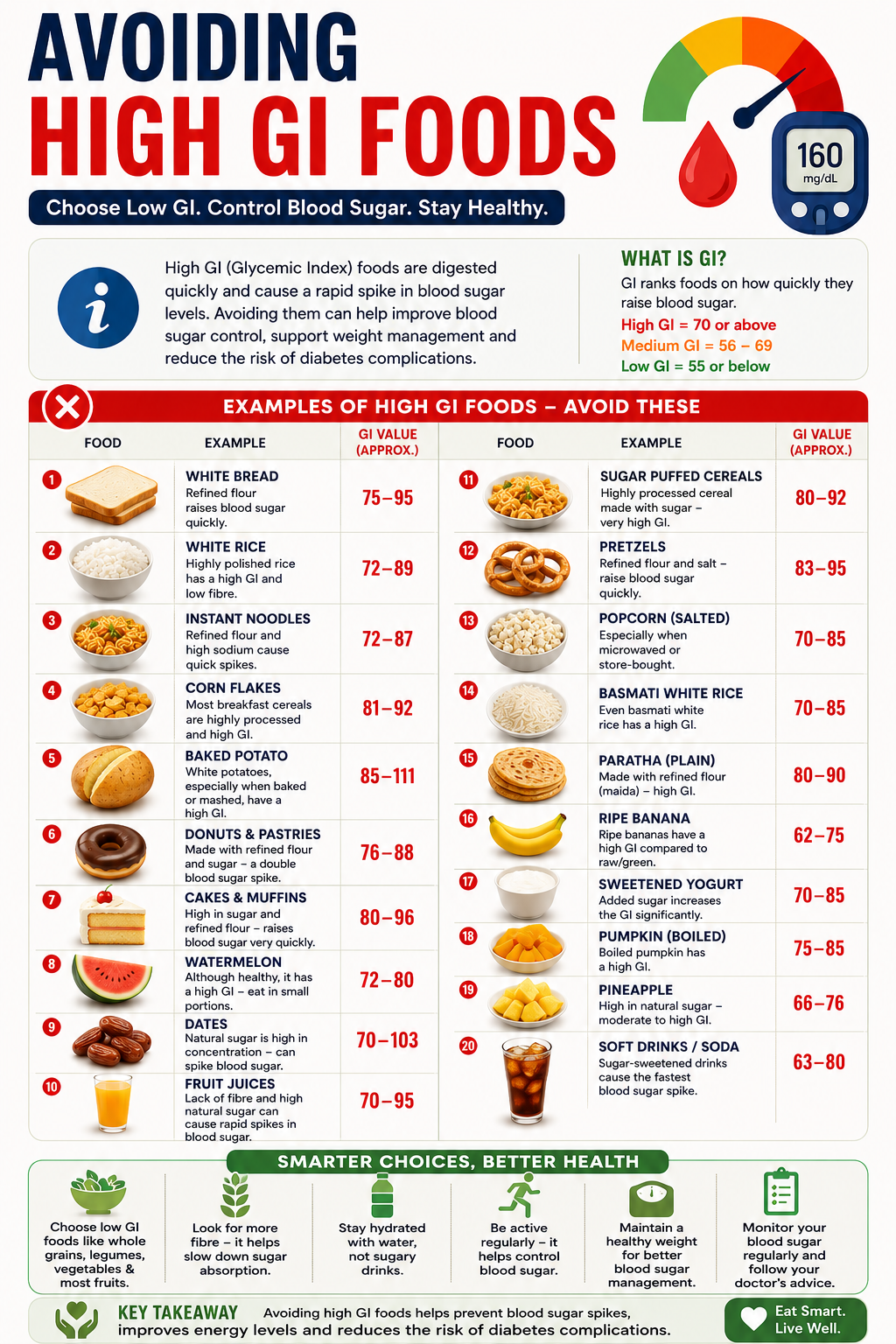
Many people are unaware that the foods they eat daily can have a significant impact on their blood sugar levels. High Glycemic Index (GI) foods are rapidly digested and absorbed by the body, causing a sharp rise in blood glucose levels shortly after eating.
Examples of high GI foods include white bread, white rice, sugary drinks, instant noodles, breakfast cereals, pastries, cakes, and other highly processed carbohydrates.
While occasional consumption may not be harmful, frequent intake of high GI foods can lead to repeated blood sugar spikes. Over time, this may increase the risk of:
• Insulin resistance
• Prediabetes and Type 2 diabetes
• Weight gain and obesity
• Increased hunger and cravings
• Poor energy levels and fatigue
• Heart disease and cardiovascular complications
When blood sugar rises rapidly, the body releases a large amount of insulin to bring it down. This often results in a sudden drop in blood sugar levels, leaving you feeling hungry, tired, and craving more sugary foods. This cycle can make it difficult to maintain a healthy weight and stable blood glucose levels.
Choosing lower GI alternatives such as whole grains, legumes, vegetables, nuts, and high-fibre foods can help slow down glucose absorption, promote longer-lasting satiety, and support better blood sugar control.
Small changes in food choices today can make a big difference to your long-term health. By reducing your intake of high GI foods and choosing healthier alternatives, you can help protect yourself against diabetes and other chronic health conditions.